
Wireless Pentesting Service
At Cyber Cache, we provide comprehensive WiFi Pentesting services to help organizations assess the security of their wireless networks. Our expert team of cybersecurity professionals uses advanced tools and methodologies to evaluate the strength of your WiFi infrastructure and identify potential vulnerabilities that could expose your organization to risks.

What is WiFi Pentesting?
WiFi Pentesting, also known as Wireless Penetration Testing, is a process of evaluating the security of wireless networks. It involves conducting simulated attacks on WiFi access points, routers, and connected devices to uncover weaknesses and potential security gaps.
Why is WiFi Pentesting Important?
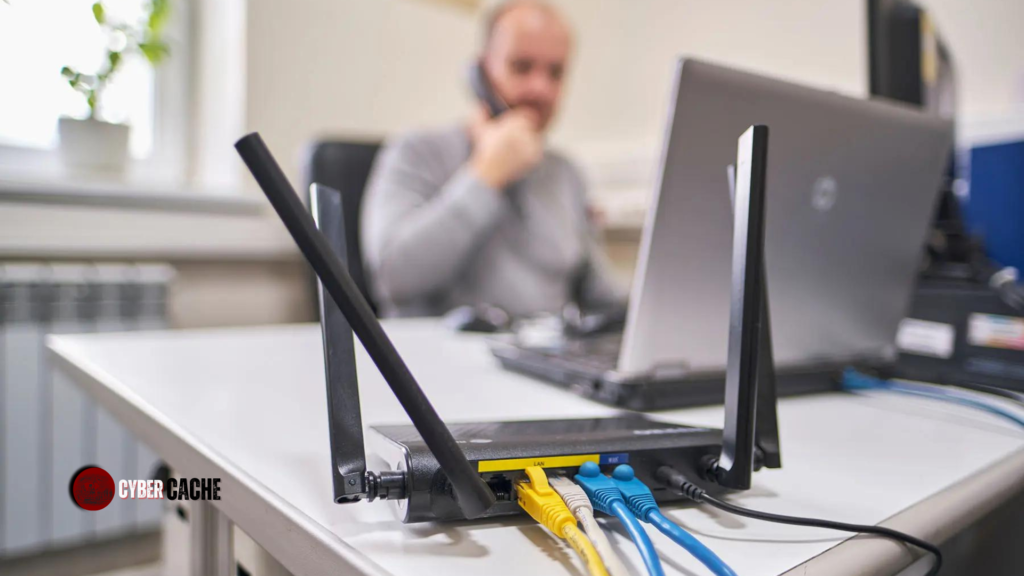
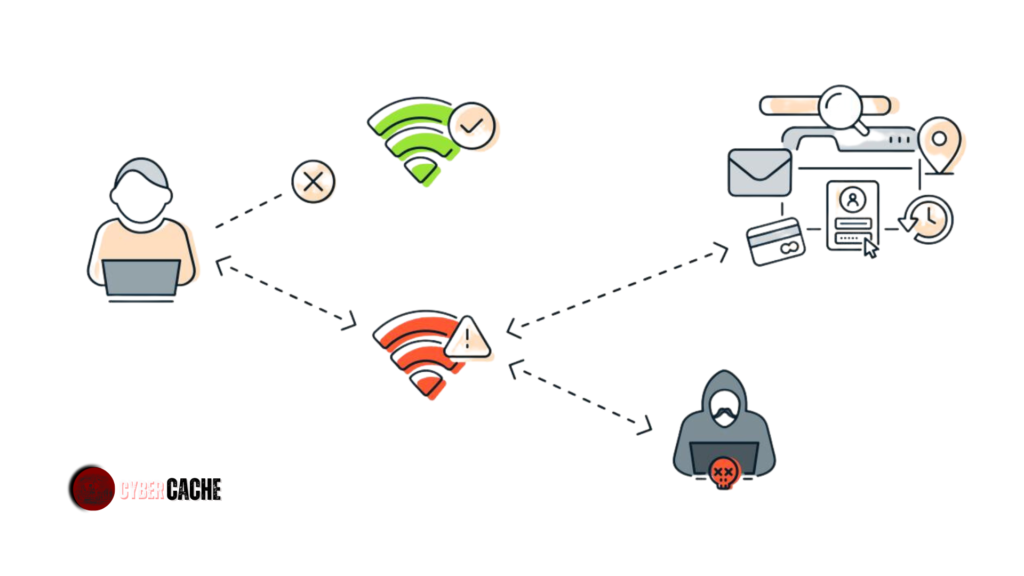
Wireless networks are susceptible to various security threats, such as unauthorized access, eavesdropping, and man-in-the-middle attacks. WiFi Pentesting helps identify weaknesses in your network’s encryption, authentication protocols, and configuration settings, allowing you to strengthen your defenses.
What Does Our WiFi Pentesting Service Include?
Our WiFi Pentesting service covers a comprehensive assessment of your wireless network. It includes analyzing the strength of your encryption methods (e.g., WPA2, WPA3), checking for default or weak credentials, examining access point settings, and evaluating the overall network security.
How Do We Approach WiFi Pentesting?
Our team follows a structured approach to WiFi Pentesting:
a. Reconnaissance: Identifying WiFi networks and access points in the target area.
b. Enumeration: Gathering information about the networks, including SSIDs and security settings.
c. Vulnerability Analysis: Scanning for weaknesses and misconfigurations in WiFi access points.
d. Exploitation: Simulating attacks to validate identified vulnerabilities.
e. Reporting: Providing a detailed report with findings, risk ratings, and actionable recommendations.

Why Choose Our WiFi Pentesting Service?
- Identify and fix security loopholes in your wireless network.
- Strengthen encryption and authentication to prevent unauthorized access.
- Enhance the overall security posture of your organization.
- Comply with industry regulations and standards.